

What Is Changing in India's F&B Industry? 5 Shifts Businesses Should Watch
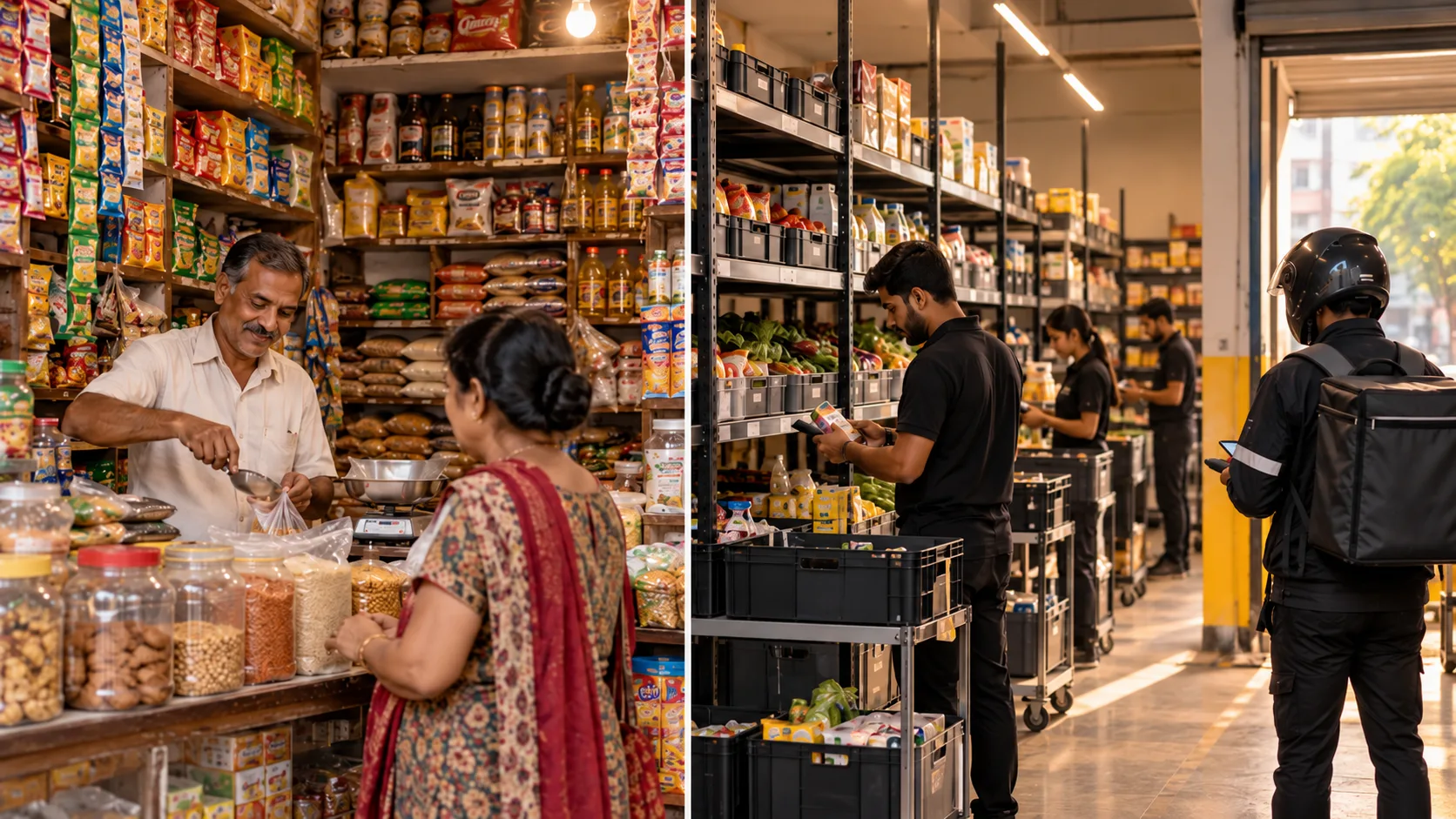
If you are running a food business in India, buying products for retail or hospitality, or planning to enter the market, the ground beneath you has shifted in ways that are worth understanding clearly.
Here are five changes in India's F&B industry that have real, practical implications.
1. The regulatory environment for small food businesses has improved significantly
The FSSAI amendment regulations that took effect from April 2026 changed the compliance picture for small and emerging food businesses in a meaningful way. The most important changes: FSSAI licenses now carry perpetual validity — no more periodic renewals. And the turnover threshold for basic registration has been raised from Rs 12 lakh to Rs 1.5 crore. [Source: TCB Infotech — New FSSAI Regulations from 1 April 2026]
What this means in practice is that home kitchens, cloud kitchens, small manufacturers, and early-stage food brands can now operate under a simpler compliance framework. Inspections have also moved from a calendar-based system to a risk-based one, which means well-run businesses face fewer routine checks. For anyone starting a food business today, the compliance barrier is lower than it has ever been.
2. Digital platforms are the new front door for food discovery
Consumers are discovering new food products through quick commerce apps, Instagram reels, YouTube cooking channels, and food delivery platforms — not primarily through store visits. For food brands, this changes where marketing investment should go.
Getting listed on Blinkit, Zepto, or Swiggy Instamart now functions as a product launch mechanism, not just a distribution channel. The visibility these platforms offer to new brands — particularly through search placement and category pages — can drive awareness at a scale that would have required expensive traditional media a few years ago.
3. Health credentials are required, not optional
New F&B launches with indulgent claims increased by 26% in the last year, but the key is that even indulgent products are now launching with health positioning — natural ingredients, lower sugar, protein additions, functional benefits. [Source: Accio — Indian Food Industry Trends 2026]
A product that cannot articulate any nutritional story is at a disadvantage in 2026, even in the value segment. This does not mean every product needs to be a health food. It means every product needs to have an answer to the question: what does this do for the person eating it?
4. Regional identity is becoming a brand asset
The biggest shift in consumer demand is the move toward hyper-regional specificity. Consumers no longer want broadly Indian products. They want to know where an ingredient is from, how it was traditionally used, and why it is distinct. [Source: Market Xcel — Food and Beverage Trends 2026]
Brands like Paper Boat built entire business models around this. The ingredients with the most commercial upside in 2026 — kokum from the Konkan coast, Coorg pepper, Kashmiri chilli, jamun — are ingredients with a story attached. That story is now a marketing advantage, not just a packaging detail.
5. B2B buyers have changed how they evaluate suppliers
Food buyers — whether retail category managers, HoReCa procurement leads, or distributors — are consulting more sources before making decisions. Research on B2B buyer behaviour in food shows that buyers now consult an average of eight to nine sources before listing a new product, nearly double the touchpoints from a few years ago. [Source: NRN — Adjusting to the Modern B2B Buyer Journey]
Social proof, trade media coverage, chef endorsements, and industry event presence all carry real weight in these decisions. For food brands, this means building industry credibility is now as important as building consumer credibility. The two have to happen in parallel.
These five shifts are not predictions. They are already happening, and they are already affecting which brands get listed, which products sell, and which businesses attract investment. Understanding them is the starting point for competing effectively in India's F&B market in 2026.

